Fresh Vegetables and Fruits from Blake Family Homestead

Updated: 10 hours ago
At Blake Family Homestead, we believe that nothing beats the taste of fresh, homegrown produce. Whether you are a seasoned gardener or just starting out, growing your own vegetables and fruits can be a rewarding experience. In this blog post, we will explore the benefits of cultivating your own garden, share tips on how to get started, and highlight some of the delicious varieties you can grow right in your backyard.
The Benefits of Growing Your Own Produce
Growing your own vegetables and fruits offers numerous advantages that go beyond just saving money at the grocery store. Here are some key benefits:
Freshness and Flavor
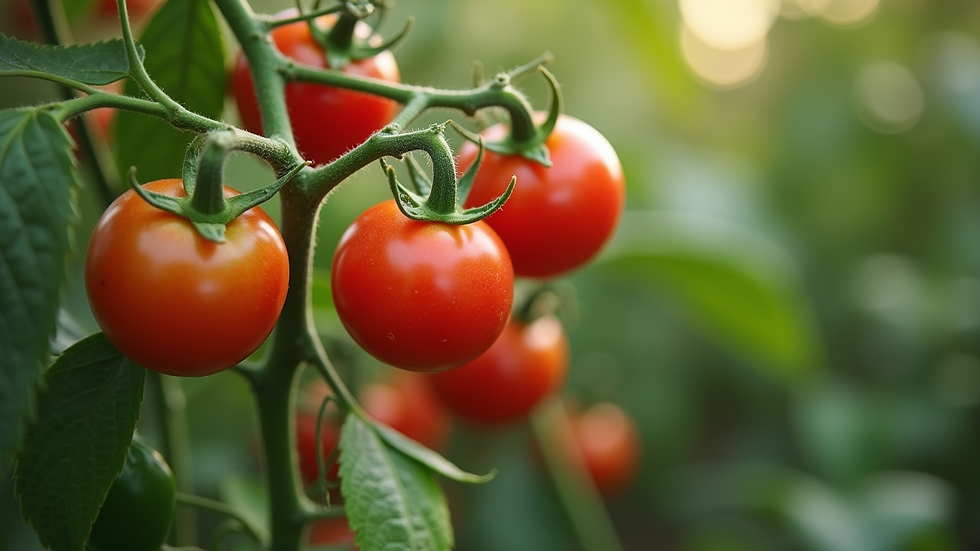
Homegrown produce is often fresher and tastier than store-bought options. When you pick fruits and vegetables at their peak ripeness, they retain more nutrients and flavor. Imagine biting into a juicy tomato that was just harvested from your garden—it's a taste that store-bought tomatoes simply can't match.
Health Benefits
Growing your own food allows you to control what goes into your garden. You can choose to grow organic vegetables and fruits, free from harmful pesticides and chemicals. This not only benefits your health but also contributes to a healthier environment.
Cost Savings
While starting a garden may require an initial investment, the long-term savings can be significant. By growing your own produce, you can reduce your grocery bills and enjoy a continuous supply of fresh ingredients throughout the growing season.
Connection to Nature
Gardening provides a wonderful opportunity to connect with nature. Spending time outdoors, tending to your plants, and watching them grow can be a therapeutic experience. It encourages mindfulness and can reduce stress levels.
Community Engagement
Gardening can also foster a sense of community. Sharing your harvest with neighbors or participating in local farmers' markets can create connections and build relationships within your community.
Getting Started with Your Garden
Starting a garden may seem daunting, but with a little planning and preparation, you can create a thriving space for growing vegetables and fruits. Here are some steps to help you get started:
Choose the Right Location
Selecting the right spot for your garden is crucial. Look for an area that receives at least 6-8 hours of sunlight each day. Ensure the location has good drainage and is easily accessible for watering and maintenance.
Decide What to Grow
Consider your family's preferences and the climate in your area when choosing what to plant. Some popular vegetables to grow include:
Tomatoes
Cucumbers
Carrots
Lettuce
Peppers
For fruits, consider:
Strawberries
Blueberries
Apples
Raspberries
Melons
Prepare the Soil
Healthy soil is the foundation of a successful garden. Test your soil to determine its pH and nutrient levels. You may need to amend it with compost or organic matter to improve its quality.
Planting
Follow the planting instructions for each type of vegetable or fruit you choose. Pay attention to spacing, depth, and timing. Some plants, like tomatoes, thrive when started indoors before being transplanted outside.
Watering and Maintenance
Regular watering is essential, especially during dry spells. Aim to water deeply and less frequently to encourage strong root growth. Keep an eye out for pests and diseases, and take action promptly if you notice any issues.
Harvesting
One of the most rewarding aspects of gardening is harvesting your produce. Pick fruits and vegetables at their peak ripeness for the best flavor. Enjoy the fruits of your labor in your meals or share them with friends and family.
Seasonal Gardening Tips
Gardening is a year-round activity, and each season brings its own set of tasks and opportunities. Here are some tips for each season:
Spring
Start Seeds Indoors: Begin planting seeds indoors for crops like tomatoes and peppers.
Prepare the Garden Bed: Clear debris, till the soil, and add compost to enrich it.
Plant Cool-Season Crops: Sow seeds for cool-weather crops like lettuce and peas.
Summer
Water Regularly: Ensure your plants receive enough moisture during hot weather.
Mulch: Apply mulch to retain soil moisture and suppress weeds.
Monitor for Pests: Keep an eye out for pests and take action as needed.
Fall
Harvest: Collect your produce before the first frost.
Plant Cover Crops: Consider planting cover crops to improve soil health over the winter.
Prepare for Winter: Clean up your garden and protect perennials from harsh weather.
Winter
Plan for Next Year: Use this time to plan your garden layout and decide what to grow next season.
Maintain Tools: Clean and sharpen your gardening tools for the upcoming season.
Consider Indoor Gardening: If you miss gardening, try growing herbs indoors.
Delicious Varieties to Grow
At Blake Family Homestead, we love experimenting with different varieties of vegetables and fruits. Here are some favorites that you might consider adding to your garden:
Heirloom Tomatoes
Heirloom tomatoes are known for their rich flavors and unique shapes. Varieties like Brandywine and Cherokee Purple are popular among home gardeners. They thrive in warm weather and can be used in salads, sauces, and sandwiches.
Sweet Bell Peppers
Sweet bell peppers come in various colors, including red, yellow, and green. They are versatile and can be eaten raw, grilled, or stuffed. Growing your own peppers allows you to enjoy them at their sweetest.
Leafy Greens
Leafy greens like kale, spinach, and Swiss chard are nutrient-dense and easy to grow. They can be harvested multiple times throughout the season, making them a great addition to any garden.
Strawberries
Strawberries are a favorite among gardeners and can be grown in containers or garden beds. They require full sun and well-drained soil. Enjoy them fresh, in desserts, or as homemade jam.
Blueberries
Blueberries are not only delicious but also packed with antioxidants. They thrive in acidic soil, so be sure to amend your garden accordingly. A few blueberry bushes can provide a bountiful harvest.
Conclusion
Growing fresh vegetables and fruits at Blake Family Homestead is not just about cultivating food; it's about nurturing a lifestyle that values health, sustainability, and community. By starting your own garden, you can enjoy the many benefits of homegrown produce while connecting with nature and your loved ones.
So, gather your tools, plan your garden, and get ready to experience the joy of harvesting your own fresh vegetables and fruits. Happy gardening!
Comments